Nigeria Ripped Flag PNG: A Designer’s Real-World Embroidery Review
First Impressions: Bold, Textured, and Unapologetically Expressive
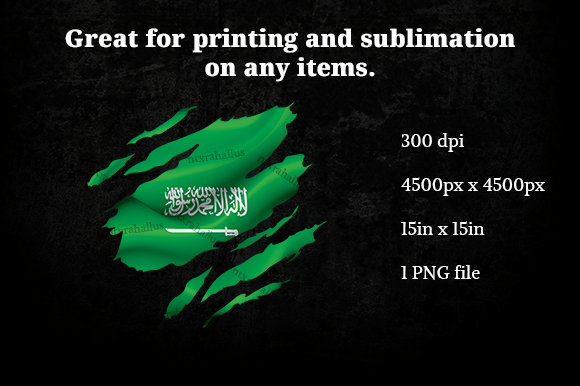
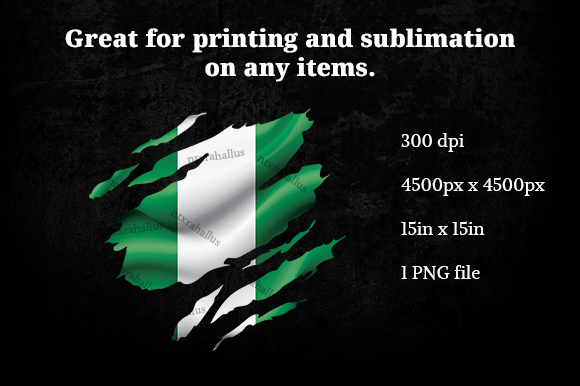
When I opened Nigeria Ripped Flag PNG for the first time, what struck me wasn’t just the vibrant green-and-white palette—it was the intentional imperfection. The “ripped” edge isn’t a glitch; it’s a design decision that leans into authenticity and movement. As a designer who regularly selects graphics for machine embroidery projects, I immediately saw its potential as a statement piece—not subtle, not background filler, but something that anchors a handmade product with personality. The watercolor clipart treatment gives it softness and dimension, while the transparent background means no awkward white halos around edges when layered or resized. It feels like a graphic born for craft business use: confident enough for a boutique sweatshirt, gentle enough for a baby onesie, and expressive enough to hold its own on a custom embroidered tote bag.
Where It Shines: Real Projects That Feel Intentional
- Custom apparel: On a heavyweight cotton sweatshirt, Nigeria Ripped Flag PNG translates beautifully into a bold chest embroidery—especially when paired with a satin stitch border to echo the rip’s organic contour.
- Baby embroidery: For a nursery-themed pillow cover or soft cotton tea towel, the watercolor softness reads as warm and welcoming—not aggressive—making it ideal for gender-neutral baby gifts where cultural pride meets tenderness.
- Embroidered patch: Digitized well, this design works as an applique design with raw-edge finishing. The torn silhouette creates natural visual interest without needing excessive fill stitch density.
- Holiday or commemorative items: I used it last month on a limited-run Independence Day apron for a local West African food pop-up. Customers responded to its energy—not just as decoration, but as recognition. That matters.
- Etsy listings & printable mockups: As a Graphics asset, it holds up crisply in digital previews. Its transparency and clean edges mean your mockup looks professional, even before stitching begins.
Where to Pause—and Why
This isn’t a one-size-fits-all embroidery file. Nigeria Ripped Flag PNG carries visual weight, and that means thoughtful placement is non-negotiable. On thin or stretchy fabric—like lightweight tees or ribbed baby bodysuits—the ripped edge can read as fraying if stabilizer isn’t carefully chosen. I’ve seen it lose definition on dark fabric unless thread colors are adjusted for contrast (think olive green instead of kelly green, off-white instead of stark white). And on curved surfaces—caps, mugs, or tapered pillow corners—the irregular shape demands extra hooping precision. Don’t assume it’ll auto-scale cleanly into a 3-inch hoop without checking how the smallest rips and inner white stripe render at that size.
Texture Matters More Than You Think
Fabric texture changes everything. On terry cloth kitchen towels or looped cotton blankets, the watercolor effect gets absorbed visually—so the design needs slightly bolder outlines or strategic running stitch accents to stay legible. Likewise, dense fill stitch areas (like the solid green field) can flatten on plush fabrics unless you reduce stitch density manually or add underlay. Nigeria Ripped Flag PNG doesn’t come with digitized embroidery instructions, so treat it as a starting point—not a finished embroidery file. Always test on scrap fabric first, especially if you’re selling the finished product.
What It Does for Your Craft Business—Beyond Aesthetics
As an Etsy seller and small shop owner myself, I pay attention to how a design affects buyer trust and perceived value. Nigeria Ripped Flag PNG communicates intentionality. It says, “This wasn’t slapped on—it was chosen.” That elevates personalized gifts, custom apparel, and boutique branding. When customers see this on a hand-stitched apron or embroidered cap, they don’t just register “Nigeria”—they sense care, cultural resonance, and craftsmanship. That builds repeat business. But—and this is key—it only delivers that impact if executed well. A poorly stabilized version on a flimsy tote will look rushed, not artistic. So yes, it adds giftability and brand consistency—but only when treated like a serious design asset, not just clipart.
Practical Notes Every Embroidery Designer Should Keep Handy
- Test Nigeria Ripped Flag PNG on your most common fabric + stabilizer combo before committing to client work.
- Review thread color contrast on both light and dark backgrounds—don’t rely solely on the PNG preview.
- Inspect small details: How does the narrow white stripe hold up at 2.5 inches wide? Does the rip read clearly—or blur into noise?
- Check whether your digitizing software handles the watercolor gradients smoothly. Some convert them to dithered fill stitch, which can look muddy.
- Use black-and-white mockups to assess balance and hierarchy—does the rip dominate, or does it support the flag’s structure?
- Confirm licensing terms before using Nigeria Ripped Flag PNG in commercial embroidery, digital embroidery files, or resale products. Just because it’s labeled Crafts doesn’t mean it’s cleared for unlimited derivative use.
- For baby embroidery or items meant for frequent washing, prioritize low-lint stabilizers and tighter satin stitch margins near ragged edges.
Final Thought: A Design With Purpose—If You Meet It Halfway
Nigeria Ripped Flag PNG isn’t background filler. It’s a conversation starter, a cultural nod, a tactile detail waiting to be translated into thread and fabric. Used thoughtfully—with attention to fabric choice, stabilizer, stitch density, and context—it becomes more than a graphic. It becomes part of the story your handmade product tells. Whether you’re a solo embroidery designer building a portfolio, a small shop owner curating meaningful merchandise, or an Etsy seller refining your niche, this design earns its place when matched with equal parts skill and respect. Don’t just stitch it—consider it. Then make it yours.